Blog

What Causes Rib Flare? Causes and Solutions Explained

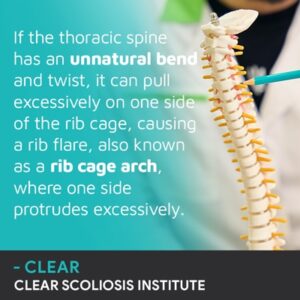
Scoliosis is a spinal condition, but its effects aren’t isolated to the spine; scoliosis can also affect the spine’s surrounding muscles, nerves, and the entire body. As a progressive condition, it’s important to understand that symptoms can increase over time. Scoliosis introduces a lot of uneven forces to the spine and body. Particularly common with thoracic scoliosis, a rib flare

Read More »

Chiropractor vs Massage: Best Option for Pain Relief

Not all scoliosis patients will experience pain, but as a progressive condition, the severity and effects of scoliosis can change over time. The potential benefits of massage for scoliosis patients are limited to short-term pain relief, but when chiropractic adjustments are scoliosis-specific and combined with additional nonsurgical treatment modalities, long-term pain relief, through corrective results, may be within reach. For

Read More »

How Often Should You See a Chiropractor? Explained

Back pain is the main complaint bringing patients in to see a chiropractor. The type of chiropractic treatment, and its frequency, will depend on the issue and goal of care. For general back pain, general chiropractic care may help, but for spinal conditions like scoliosis, a scoliosis-specific chiropractor is necessary. Chiropractors are healthcare professionals who focus on diagnosing and treating

Read More »

Radiculopathy vs Neuropathy: Key Facts to Know

The brain and spinal cord make up the central nervous system: a vast communication network that facilitates brain-body communication, and the peripheral nervous system is divided into the somatic nervous system and the autonomic nervous system. The health of the nerves within these systems can affect brain-body communication, movement, sensation, walking, breathing, and digestion. Both radiculopathy and neuropathy involve damaged

Read More »

Does Scoliosis Get Worse Over Time? Explained

Scoliosis severity ranges widely from mild scoliosis to moderate scoliosis and severe cases. Scoliosis severity is largely determined by the size of the unnatural spinal curvature, but there are additional factors that shape the type of symptoms a patient will experience. Scoliosis is a progressive condition, so its nature is to get worse over time, but it can be highly

Read More »

Can Scoliosis Be Fatal? What You Need to Know

Scoliosis causes the spine to bend unnaturally to the side and rotate, but it’s not considered a life-threatening condition. There are no treatment guarantees, but many cases of scoliosis respond well to a combination of nonsurgical treatment options, and early detection and intervention are associated with successful treatment outcomes. Scoliosis is a spinal condition that causes a loss of its

Read More »