
Navigating Life with Scoliosis: Tips for Teens and Parents

A scoliosis diagnosis during the teenage years can feel like a major disruption. For teens, it introduces a new layer of complexity to an already challenging time of self-discovery and social change. For parents, it brings a wave of concern about their child’s physical health, emotional well-being, and future. Navigating this journey requires a partnership […]
The Latest Advances in Non-Surgical Scoliosis Treatments: A Closer Look

For years, scoliosis patients have been navigating a variety of treatments aimed at managing their condition and improving quality of life. While traditional methods offer solid results, recent advancements in non-surgical scoliosis treatments are revolutionizing care. From high-tech bracing systems to cutting-edge imaging technologies, these innovations are giving patients more options than ever to achieve […]
From Curves to Confidence: How Scoliosis Treatment Improves Quality of Life
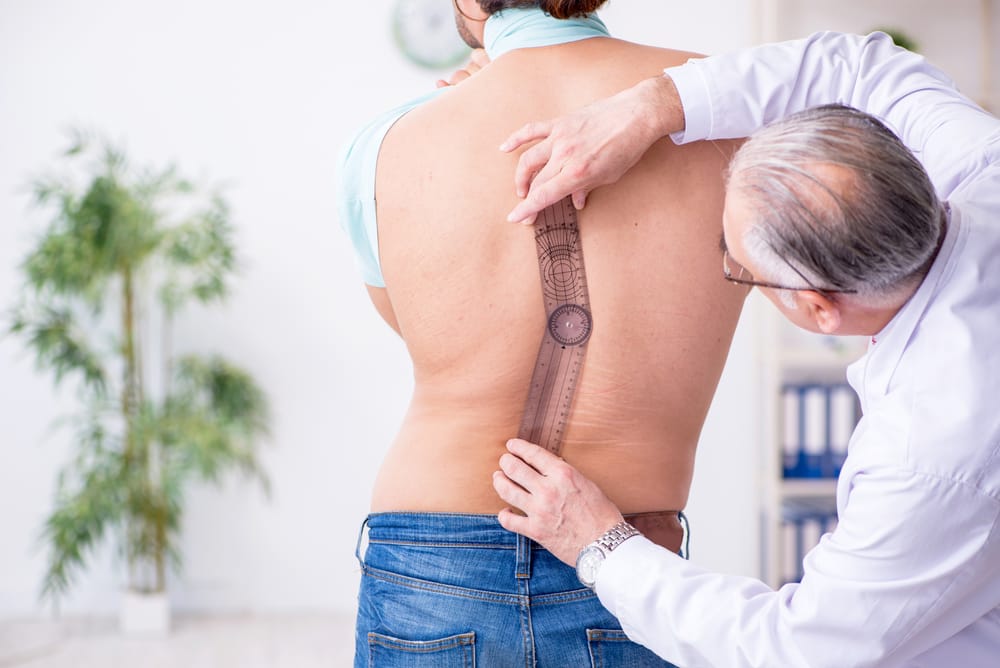
Living with scoliosis can feel like carrying an invisible burden that affects every aspect of your daily life. From the moment you wake up with morning stiffness to the self-consciousness you feel when looking in the mirror, scoliosis touches far more than just your spine. But here’s what many people don’t realize: effective scoliosis treatment […]
Scoliosis Surgery Success Rate: What You Need to Know
While scoliosis surgery was the dominant treatment option for many years, what you need to know is that many cases of scoliosis don’t need surgical treatment. Scoliosis surgery is a type of spinal fusion, and while it can straighten a bent spine, it’s an invasive procedure that can also alter the spine’s long-term strength and […]
Scoliosis Types Explained: Key Differences to Know
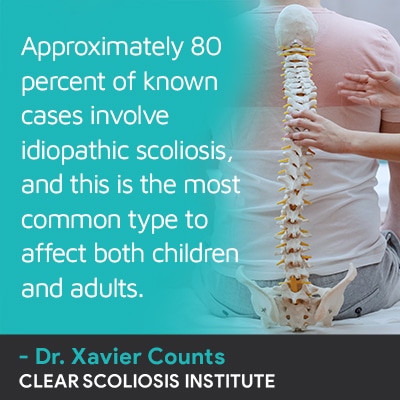
Part of a patient’s initial assessment and diagnosis involves further classifying conditions based on a number of key variables, one of which is type. When the underlying cause of scoliosis is known, it’s the focus of treatment, and the accuracy of a patient’s initial assessment and diagnosis shapes treatment outcome. There is more than one […]
Scoliosis and Diet: 4 Foods for Your Grocery List
For people with scoliosis, leading a spine-friendly lifestyle is important, and this includes a healthy activity level and diet. Staying active and eating healthy foods alone can’t correct scoliosis, but it can help create an internal environment that’s more conducive to healing. Scoliosis causes the spine to bend and rotate unnaturally, and while diet alone […]
4 Scoliosis Exercises That Really Work: Easy and Effective

The following exercises can help facilitate a healthy and functional spine, but it’s important to understand that any singular exercise or exercise program has to be approved by a patient’s treatment provider, and for any type of corrective potential, it has to be fully customized to impact scoliosis. Exercises for scoliosis can help maintain spinal […]
Can You Correct Scoliosis in Adults? Treatment Options

Scoliosis is most frequently diagnosed in children, but it also affects adults. In fact, the actual rate of scoliosis increases among the aging population, and this is due to the development of degenerative scoliosis. The two main types of scoliosis to affect adults are idiopathic scoliosis and degenerative scoliosis. Scoliosis is progressive, so treatment addresses […]
How to Run with Scoliosis: Essential Tips for Safe Running

No exercise or activity should be attempted before it’s cleared by a patient’s treatment provider, and activity restrictions are based on a number of factors that vary from patient to patient. It’s important for people with scoliosis to stay active, but it’s also important that a healthy activity level involves exercise that won’t strain the […]
Scoliosis Treatment Checklist
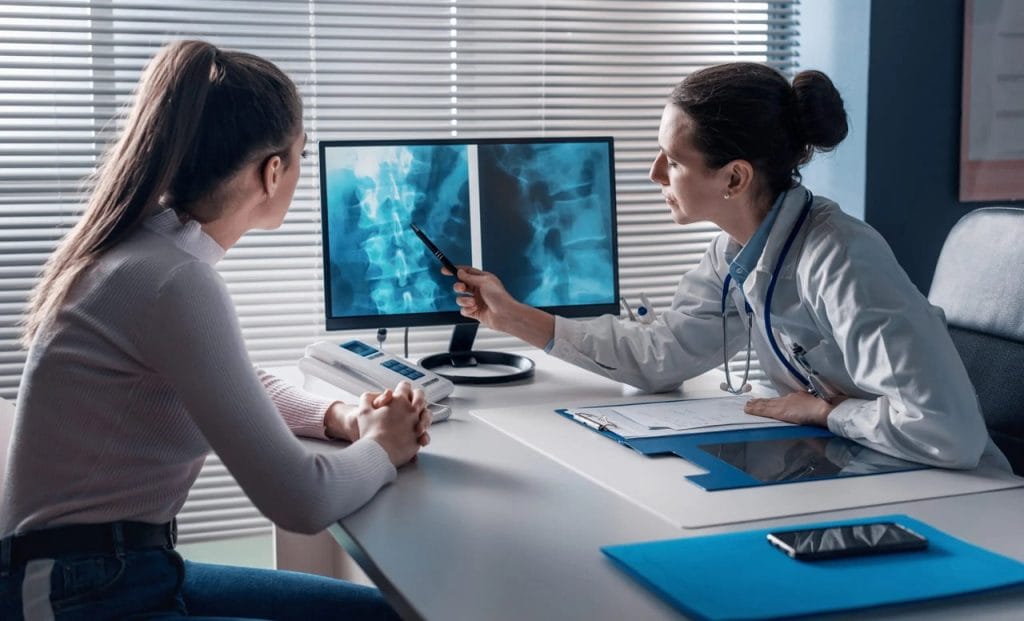
Managing scoliosis can be approached through a combination of medical strategies, personalized care, and lifestyle adjustments. Non-surgical treatments like ScoliBrace and Functional Pattern Exercises play a significant role in offering effective and accessible solutions. Here’s your updated scoliosis treatment checklist: Medical Steps Early Detection Regular Monitoring Bracing (for Mild to Moderate Cases) Avoiding Surgery Whenever […]